Paychecks are growing, but buyers are still falling behind
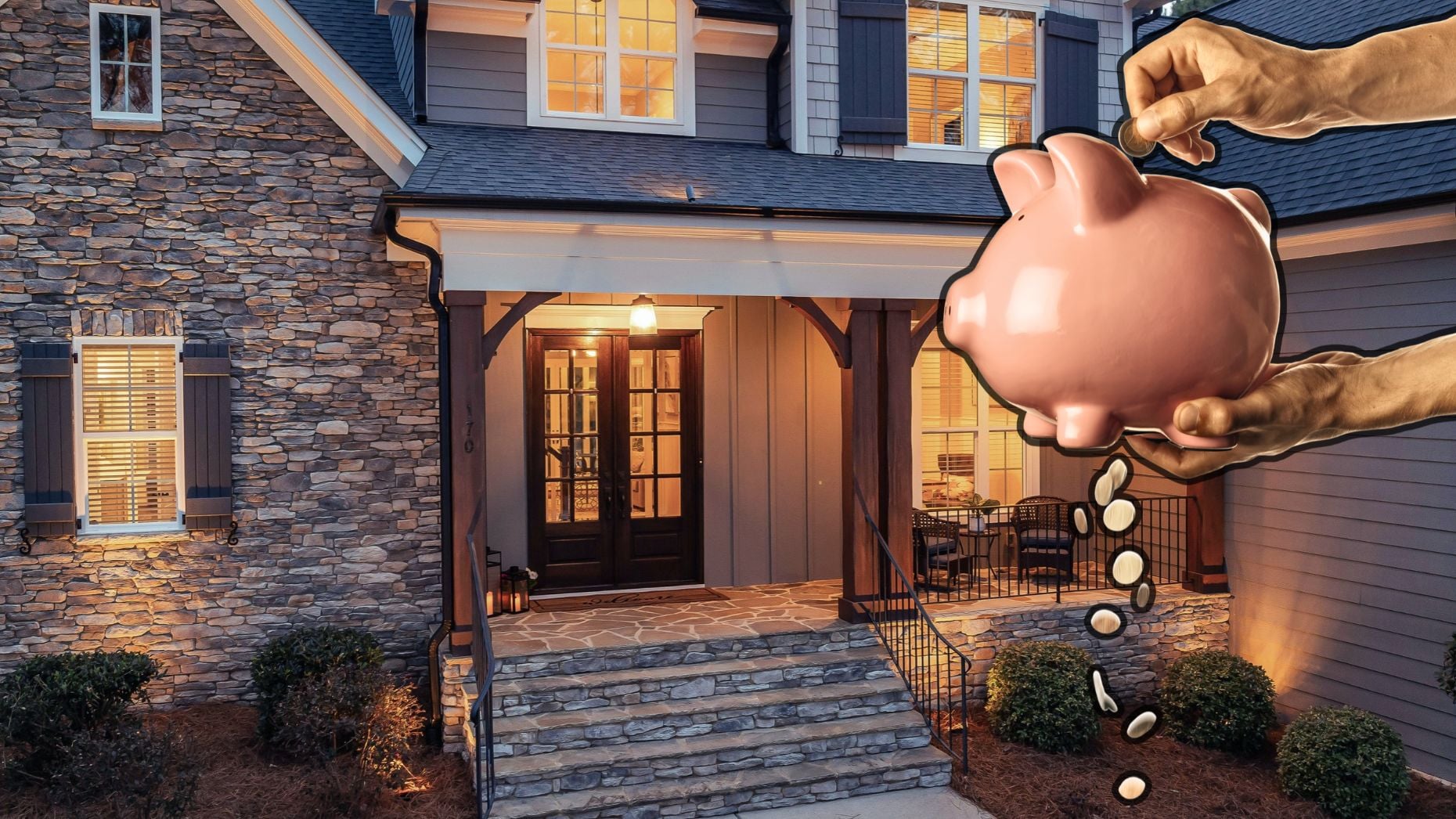
Employers added 165,000 jobs in October, while the monthly payment on a median-priced home rose about 9 percent over the past year. Average hourly pay rose 3.1 percent.
The latest employment numbers show a strong labor market, with 165,000 jobs added in October, which is a positive sign for the economy. However, for those in the market for a home, the news is mixed. While average hourly pay rose 3.1 percent, the monthly payment on a median-priced home increased by about 9 percent over the past year. This means that many potential buyers are still falling behind in terms of affordability.
The disconnect between wage growth and housing costs is a concern for the real estate industry. As wages rise, it would normally be expected that housing prices would stabilize or slow down. However, it appears that housing costs are outpacing wage growth, making it increasingly difficult for people to afford homes. This trend could have implications for the types of properties that are in demand, such as apartments or condos, which may become more attractive to renters who are priced out of the single-family home market.
As we look ahead, it's worth watching how this trend plays out in terms of rental demand and lease rates. Will renters continue to be priced out of the single-family home market, driving up demand for apartments and condos? Or will wage growth eventually catch up with housing costs, making homes more affordable for buyers? For now, it seems that the rental market will continue to be a key player in the housing market, with lease rates likely to remain strong.
Originally reported by inman.com. LeaseNews adds analysis for real estate & property readers.